
Welcome to Play Therapy Southland
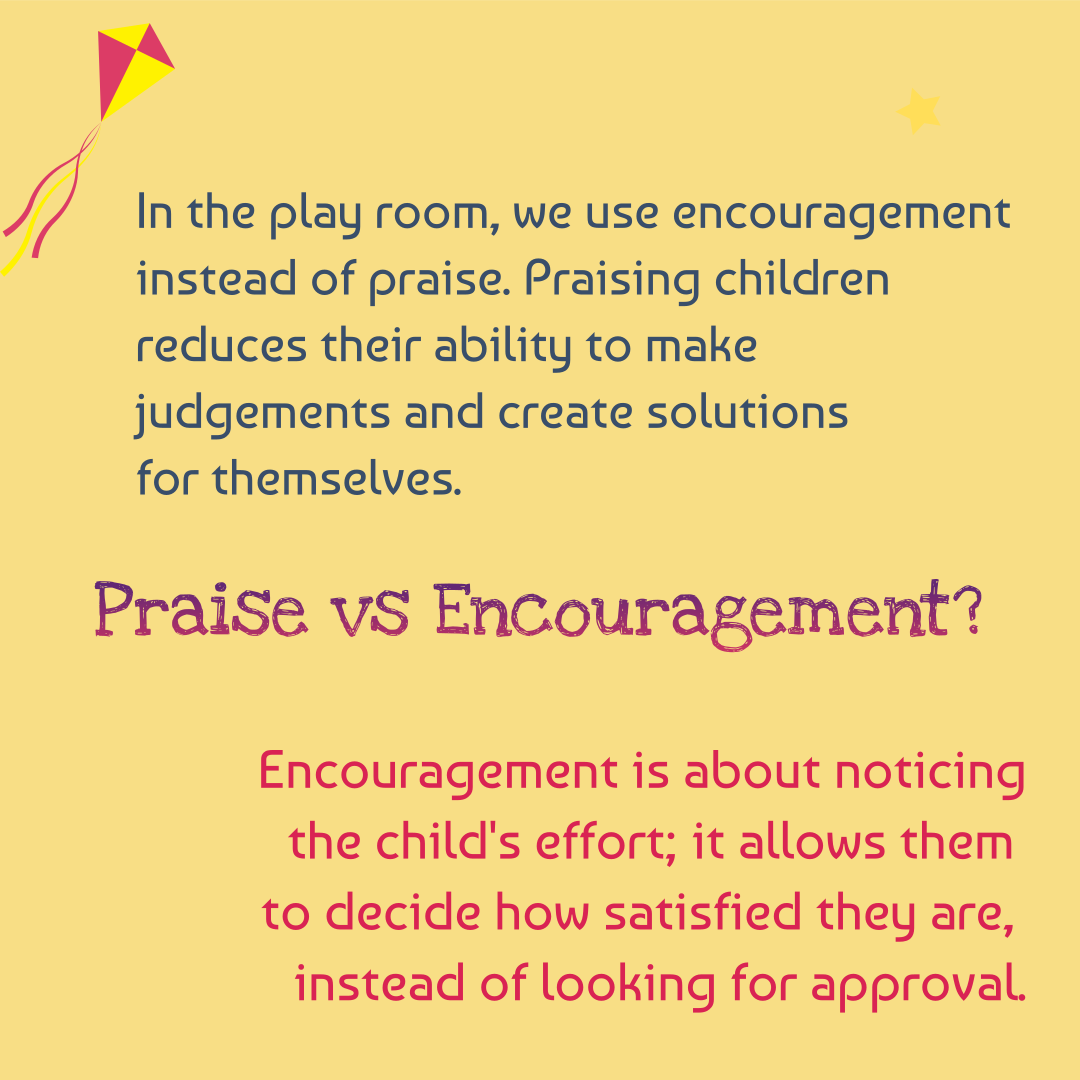
Play is the most natural form of communication for children. Rather than relying on traditional talk-therapy, play therapy meets children’s developmental needs and abilities.

what is child centered play therapy?
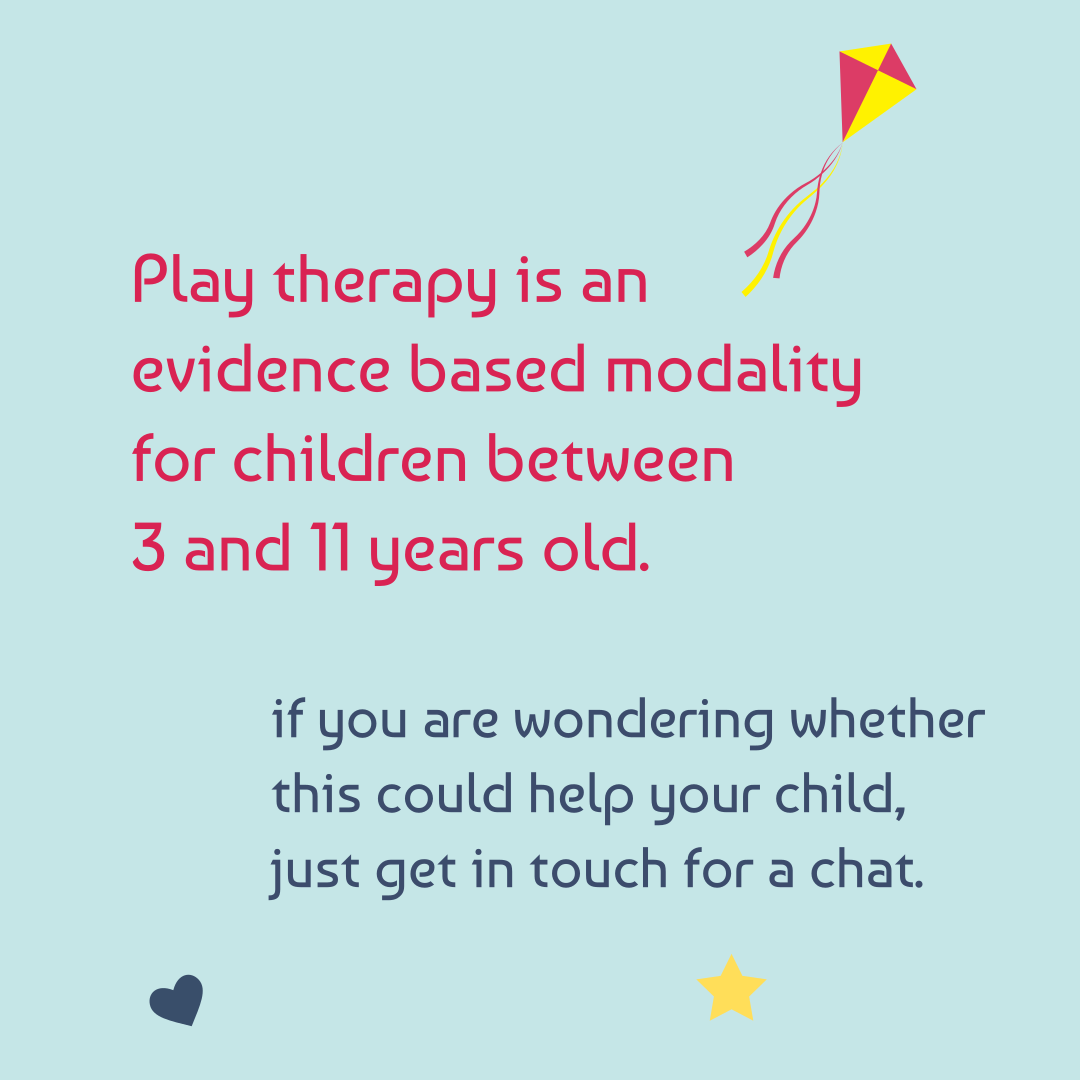
Child centered play therapy is a non intrusive evidence based child-led modality, for children aged between 2-3 to 11 years old. It uses play, a child’s natural form of communication, to help them express, explore and resolve psychological and emotional difficulties. Child centered play therapy meets children exactly where they are developmentally, allowing them to process emotions without needing the capacity of abstract thoughts.
The child lead and the therapist follows with empathy and full acceptance. There is no pressure to talk, perform or explain, just space to be. This is where healing begins. The relationship between the therapist and the child is part of that healing process. It provides a safe and nurturing environment and experience where the child is able to experience full acceptance, empathy and understanding. Play therapy allows children to process their inner experiences and feelings through play, symbols, role-play, fantasy and expressive arts.
How it works
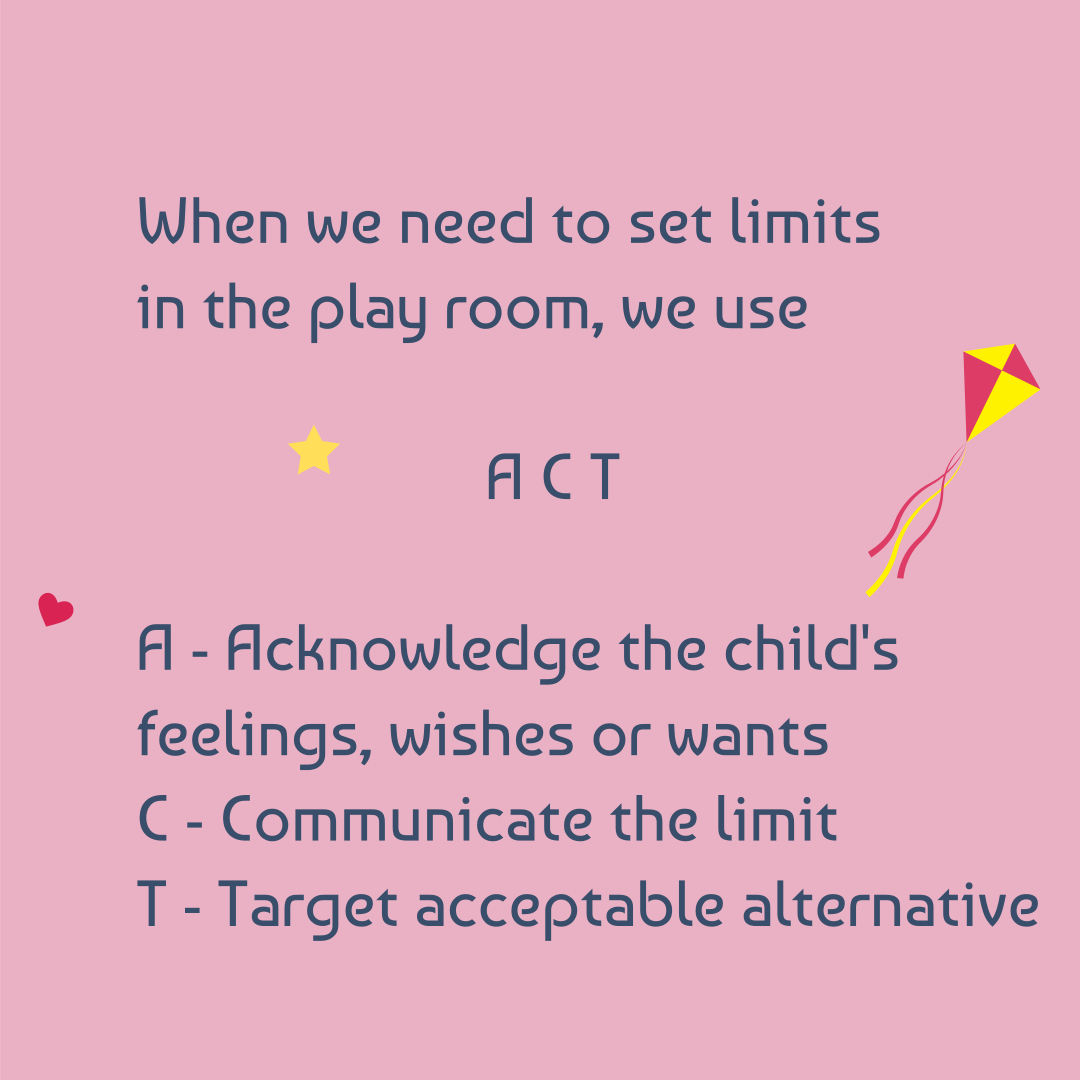
Play therapy provides a warm, safe and caring environment where children can explore and express themselves. Being in a setting with unconditional acceptance yet with realistic limits helps the child to develop their self-worth, gain confidence and better understand boundaries.
In the playroom, children lead their own play. The therapist is attentive and fully accepting of the child, and therefore able to have a sense of their world, providing an attuned response to what is revealed. The therapist is an emotion co-regulator and provides a safe vessel for whatever the child needs to explore or express. Throughout this process, trust is built between the child and the therapist which will allow the child to explore new ways to cope, grow and thrive, impacting their brain development and psychological wellbeing.
Effective
Play therapy has been shown to be effective for addressing and improving a variety of concerns:
Emotional regulation and coping skills
Social skills, self-esteem, self-confidence
Low mood, worry and anxiety
Trauma, attachment issues
Relationships
Anger, aggressive behaviors
School challenges
Grief, divorce, separation, family changes
Hospitalization, illness
Transition to school
Autism, ADHD & more

“The therapist’s role, although non-directive, is not a passive one, but one which requires alertness, sensitivity and an ever-present appreciation of what the child is doing and saying” – Virginia M. Axline
For many
Child centered play therapy is a culturally sensitive approach and ideal for children from a different background. The therapist demonstrates empathy, acceptance and understanding to the child. The child is free to express and communicate in a way that is comfortable and typical for them.
Play-therapy is neuro and gender diversity affirming, valuing the child, giving them a voice and affirming their identity.
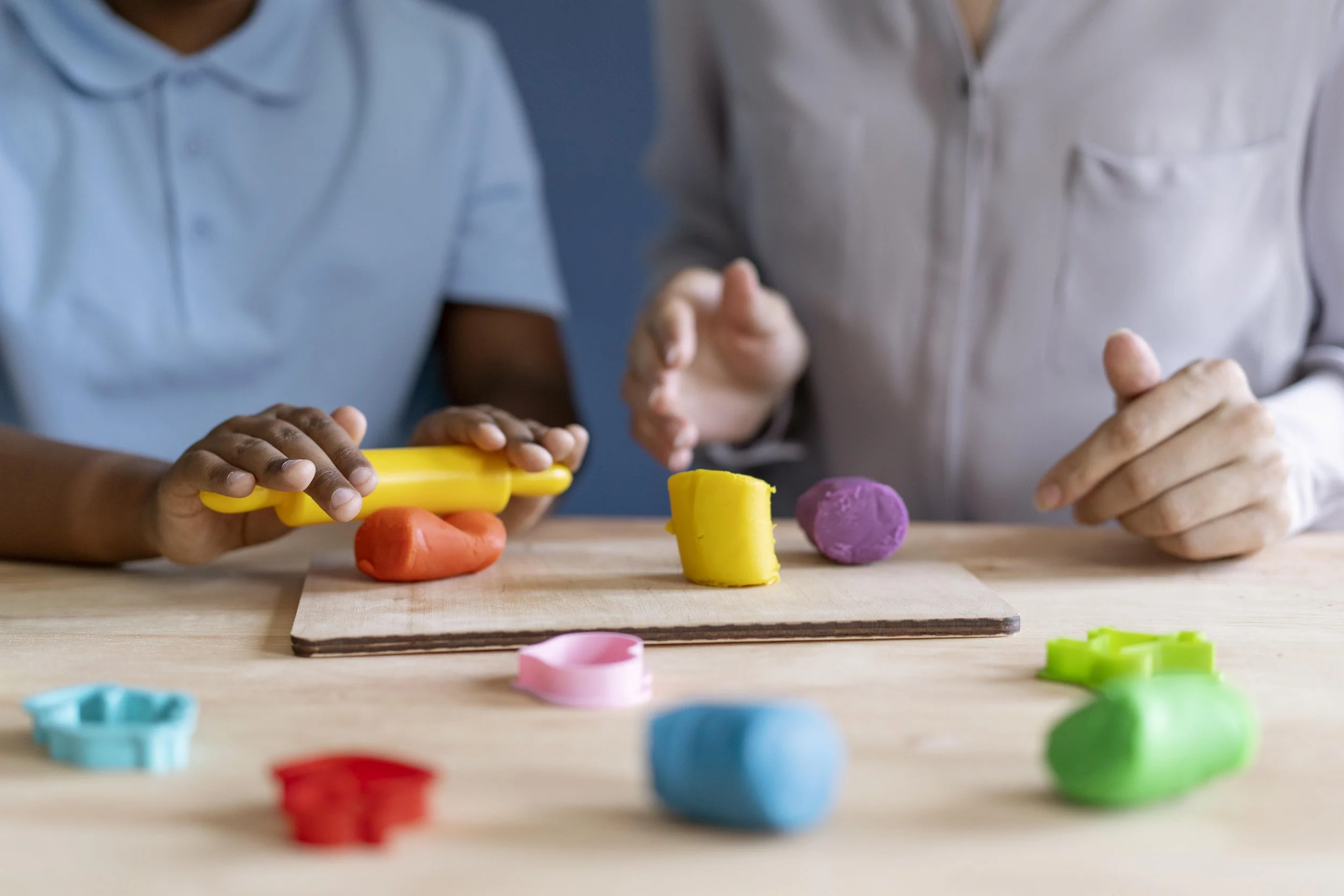
what to expect
“The imagination is the only way of containing, expressing and, as a result, possibly resolving otherwise unspeakable and intolerable emotions” – Dennis McCarthy
Initial parent consult
Before meeting with a child, I will meet with their parent or care giver, without the child being present. This allows me to hear and understand what has been happening for them. This is an opportunity for me to build my understanding of your child, issues and challenges that they may have experienced. The initial consult may take up to an hour and a half.
Sessions
A session goes for 45 minutes and is scheduled on weekly basis, usually at the same time each week, to build trust and consistency. Shorter sessions are offered to young children.
After 5-6 sessions, I will have a phone call or a meeting with the parent or care giver to hear how things are going. This is not to discuss the session’s content, more to provide support to parents and care givers.
Play therapy sessions can vary, but usually it is encouraged to commit to 16 sessions. Most children are engaged in play therapy for 20-30 sessions.
Closure
Following the child’s process throughout therapy, the ending will be decided with the parent or care giver. Usually two sessions are used to complete the therapeutic process, with a final parent consultation.
And of course, children can always come back when things pop up. Usually this process is shorter.

what are the benefits of play therapy?
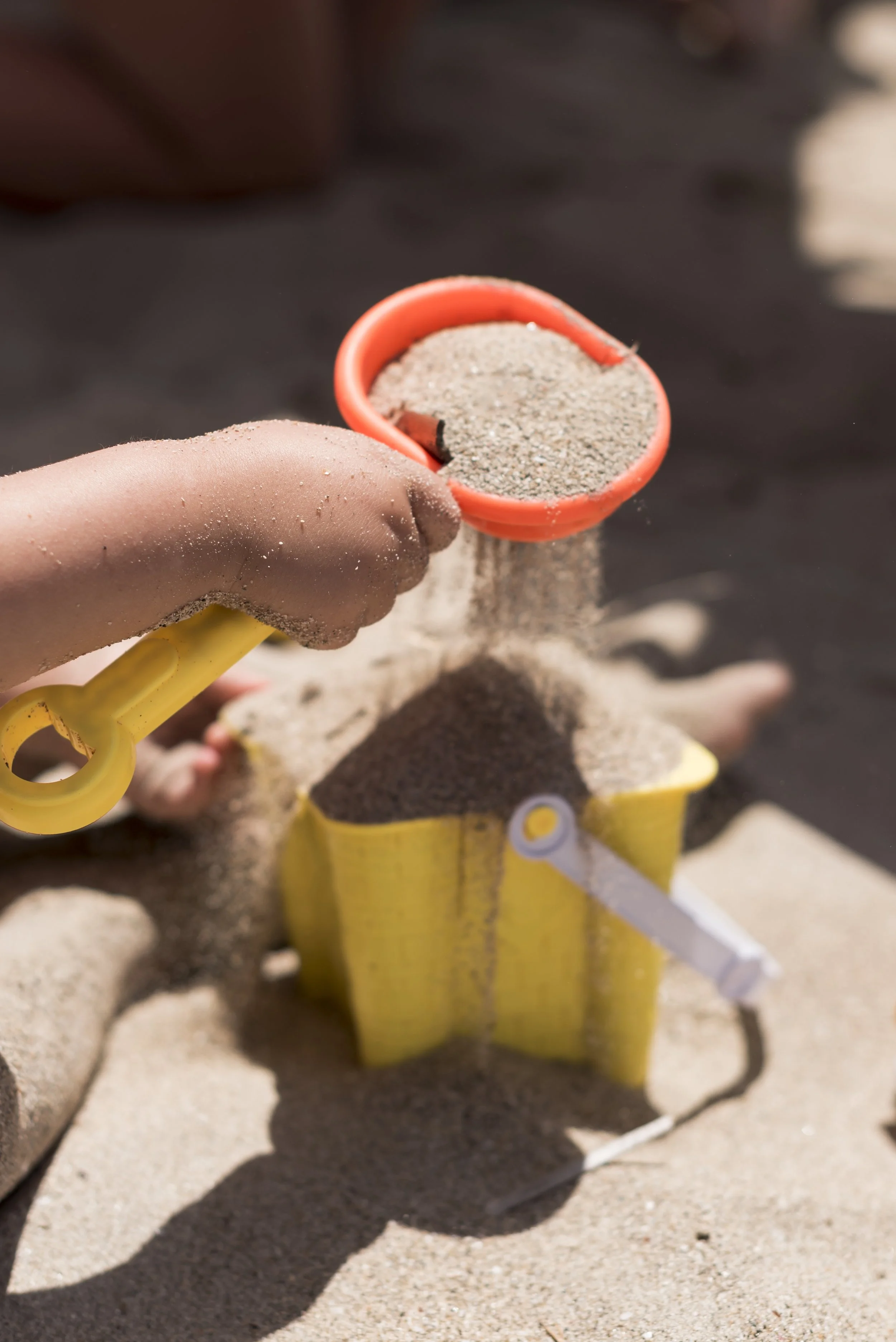
“a major function of play in play therapy experiences is the changing of what is unmanageable in reality to manageable situations through symbolic play” –
Dr Garry Landreth, “Play Therapy, the Art of the Relationship”
Emotional regulation
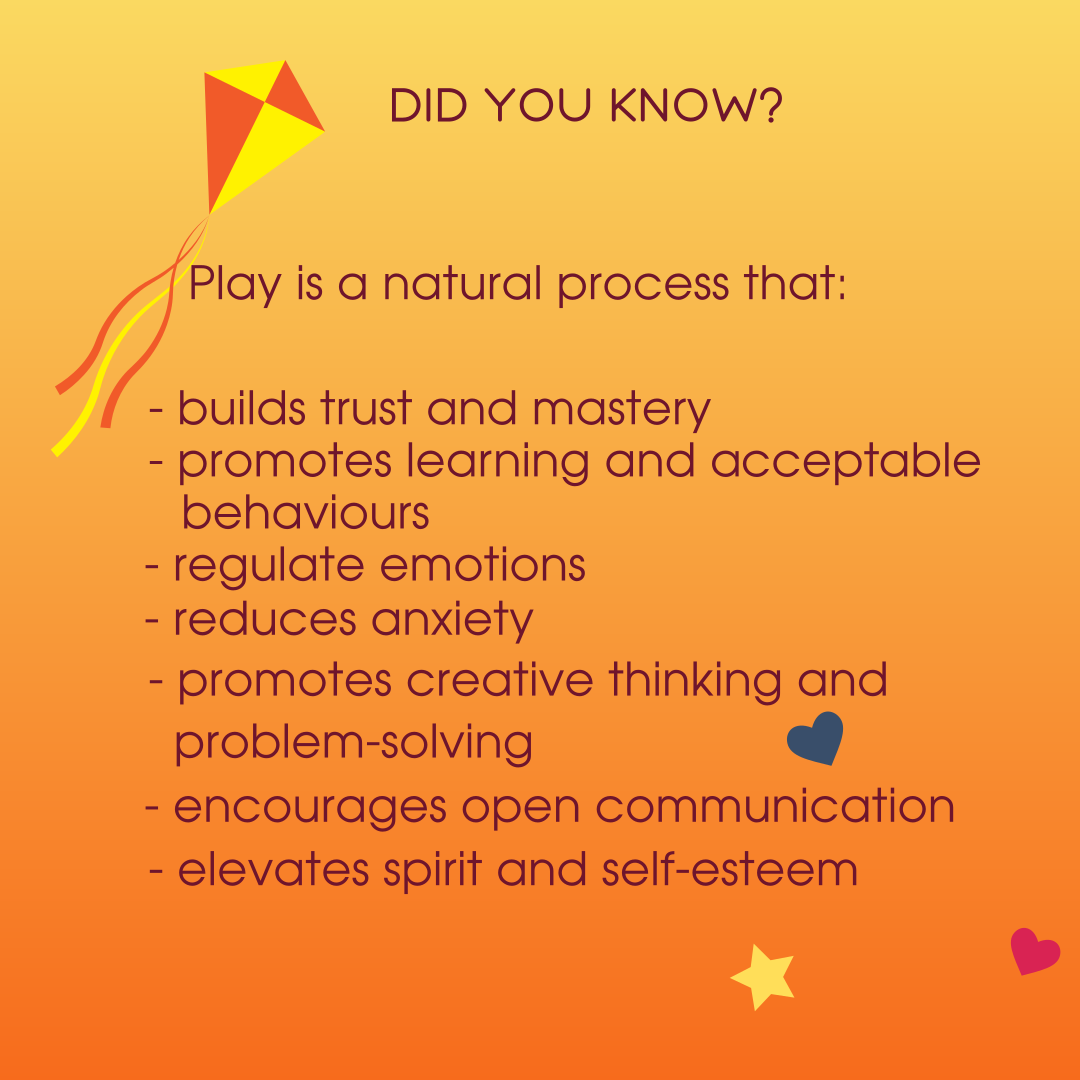
Play therapy provides an outlet to express and learn about emotions. Children learn to identify and manage their emotions, which support their own resilience and ability to handle difficult situations in a more effective and acceptable way.
Problem solving and decision making
Child centered play therapy offers opportunities for children to use their creativity, imagination and problem solving skills. Through these experiences, children learn about their own responsibility, making choices and negotiating, stimulating their cognitive and social development.
Emotional expression
Play allows children to explore and express a wide range of emotions in a safe and controlled environment. Pretend play, for instance, can be a way to process difficult emotions like sadness, anger, fear or past trauma in a safe setting.
Self-awareness
The benefits of play extend far beyond cognitive development. Play serves as a critical tool for nurturing a child’s emotional well-being and fostering mental health awareness from a young age. Through play therapy, children develop a better understanding of their own thoughts, feelings and behaviors. They also develop insight into their experiences, allowing them to navigate challenges

Self-esteem and confidence
Mastering new skills, overcoming challenges, and receiving positive reinforcement during play contribute to a child’s growing sense of self-esteem and confidence. This feeling of competence plays a crucial role in their overall emotional wellbeing.
Healthy relationships
Playtime is a natural setting for children to develop social skills. Through interaction with the therapist, they learn to trust, connect, take turns, negotiate, compromise, and collaborate. Play fosters empathy, builds friendships, and teaches valuable social cues.
ACC for sensitive claims
I am registered with ACC for sensitive claims. Through the Sensitive Claims Service, ACC provides fully funded therapy and support for sexual abuse or assault survivors, with no costs. I can directly help you through this process if your child needs support.
Testimony
“We are incredibly grateful for the support and care that Caro provided through play therapy.
Her gentle, patient, and compassionate approach helped our Grandchildren feel safe, understood, and confident.
We have seen positive changes in emotional expression, coping skills and overall well-being.
Caro's dedication and expertise made a meaningful difference for our Family and we highly recommend her services.”
~ Karin and Chrissie, August 2026
Meet Caro
Kia ora! my name is Caro. I am from Switzerland and have lived and worked on this side of the world for 20 years. I have worked with whānau, adults, rangatahi and tamariki and have gained extensive experience in mental health, post-separation and family dispute areas, working in Auckland, Darwin and Invercargill.
I am a full member with NZAC and ACC registered for sensitive claims. I have a degree in Psychoeducation from University of Sherbrooke, Canada, and a post grad certificate in play therapy from Darwin University, Australia.
After several years working with adolescents, it felt the right time to go back to my passion, child centered play therapy. I look forward to hearing from you at Play Therapy Southland!

Follow us
Get in touch
If you are wondering if child centered play therapy is the right fit for your child or you would like to book a session, you can contact me via mobile, email or use the message box here:
Email: ptsouthland@gmail.com
Mobile: 021 186 9473
Looking forward to hearing from you!